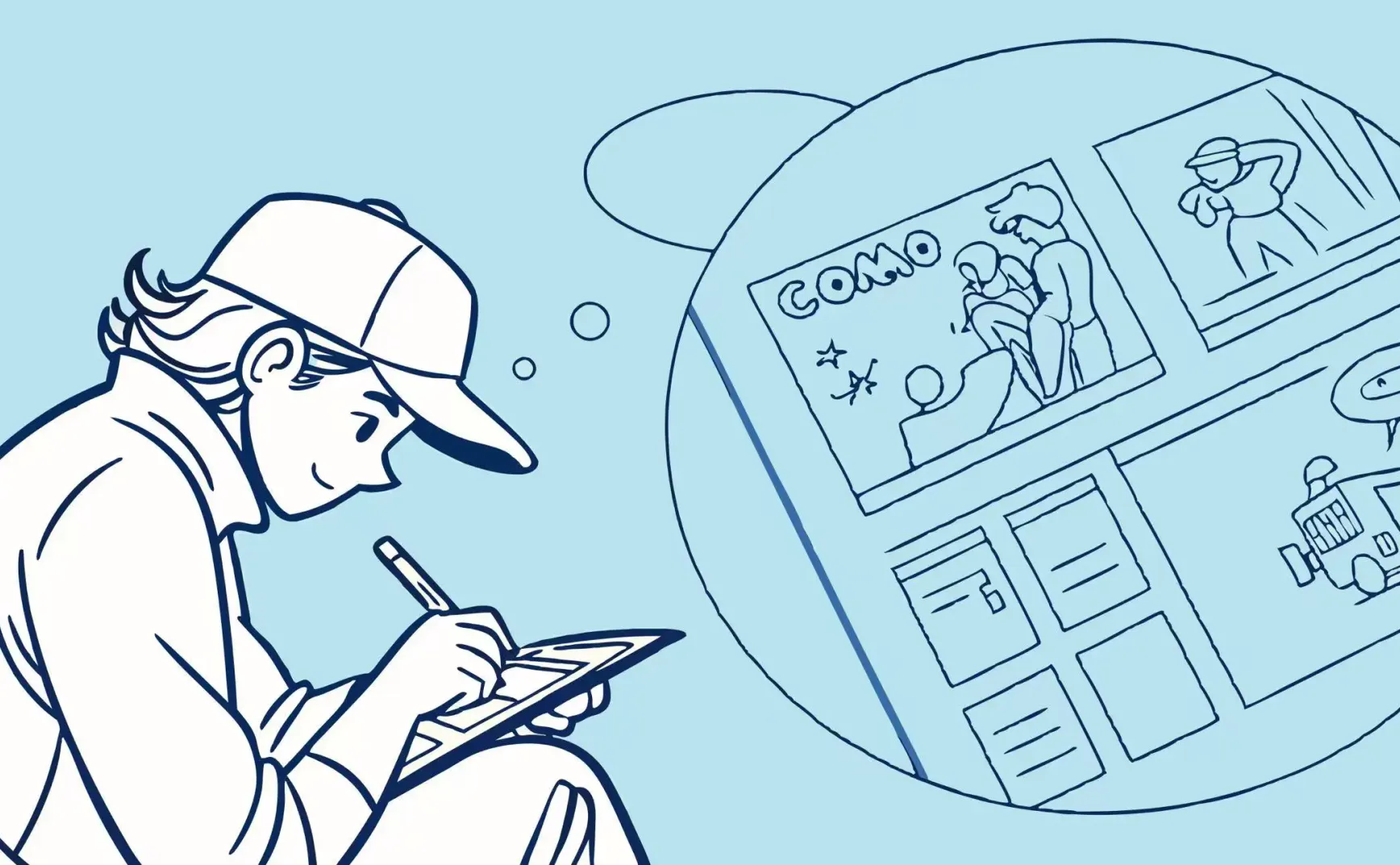
Why Do They Say Meaningless Things?
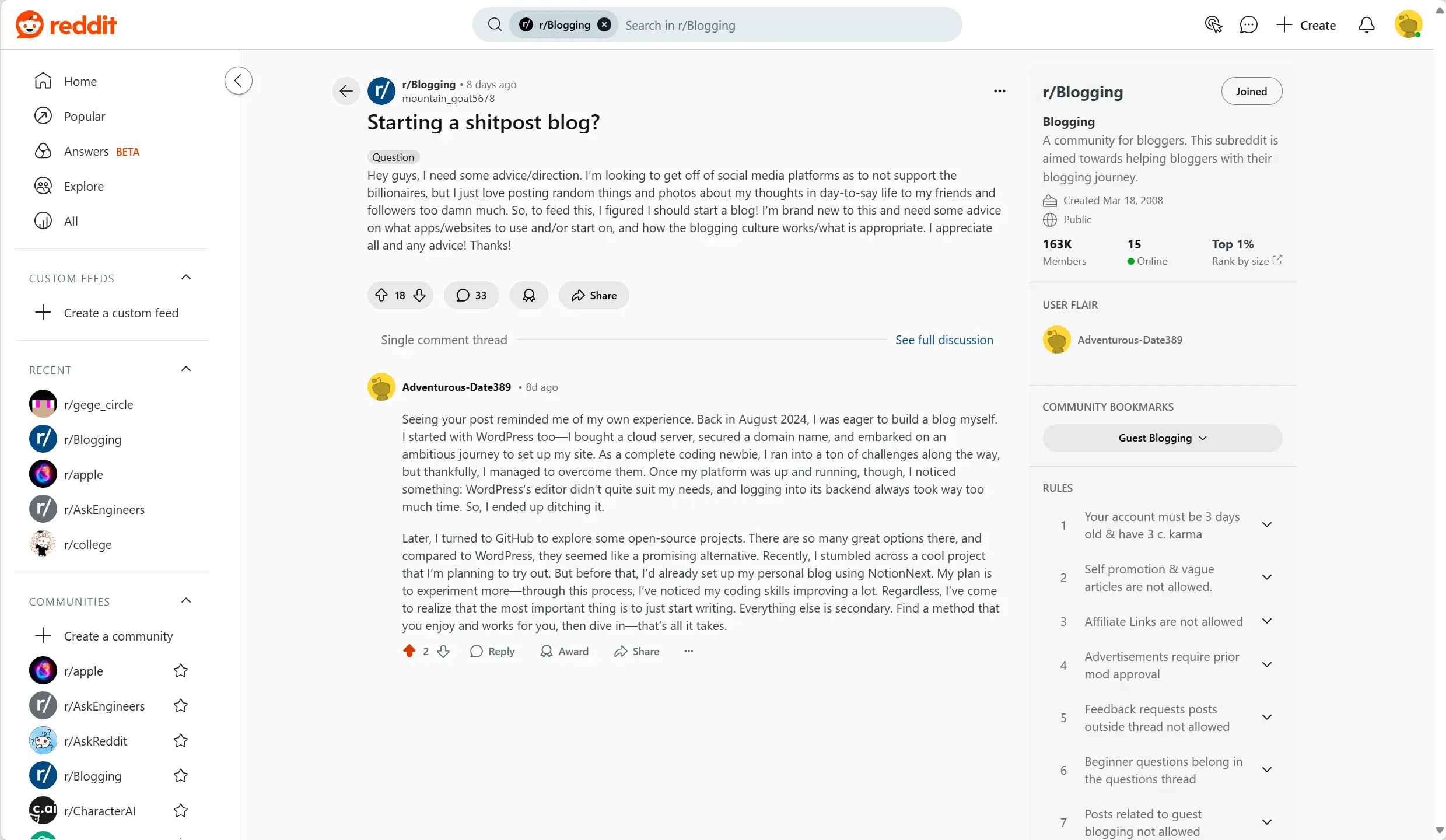
I came across a post where the author was asking about blog-related topics. Most of the replies were sincere and helpful, but one comment mocked the author, saying that such basic questions shouldn’t be asked. At first, I assumed it was just the default sentiment, until someone objected to that remark, asking, "Why do you have to say such meaningless things?"
Perhaps we all started out as those who asked even the most elementary and common-sense questions. Over time, we forget that we were once completely unaware. Most of the time I silently scroll past posts, but this time I chose to write a thoughtful reply, sharing some hard-earned advice with the poster.
Eternal September
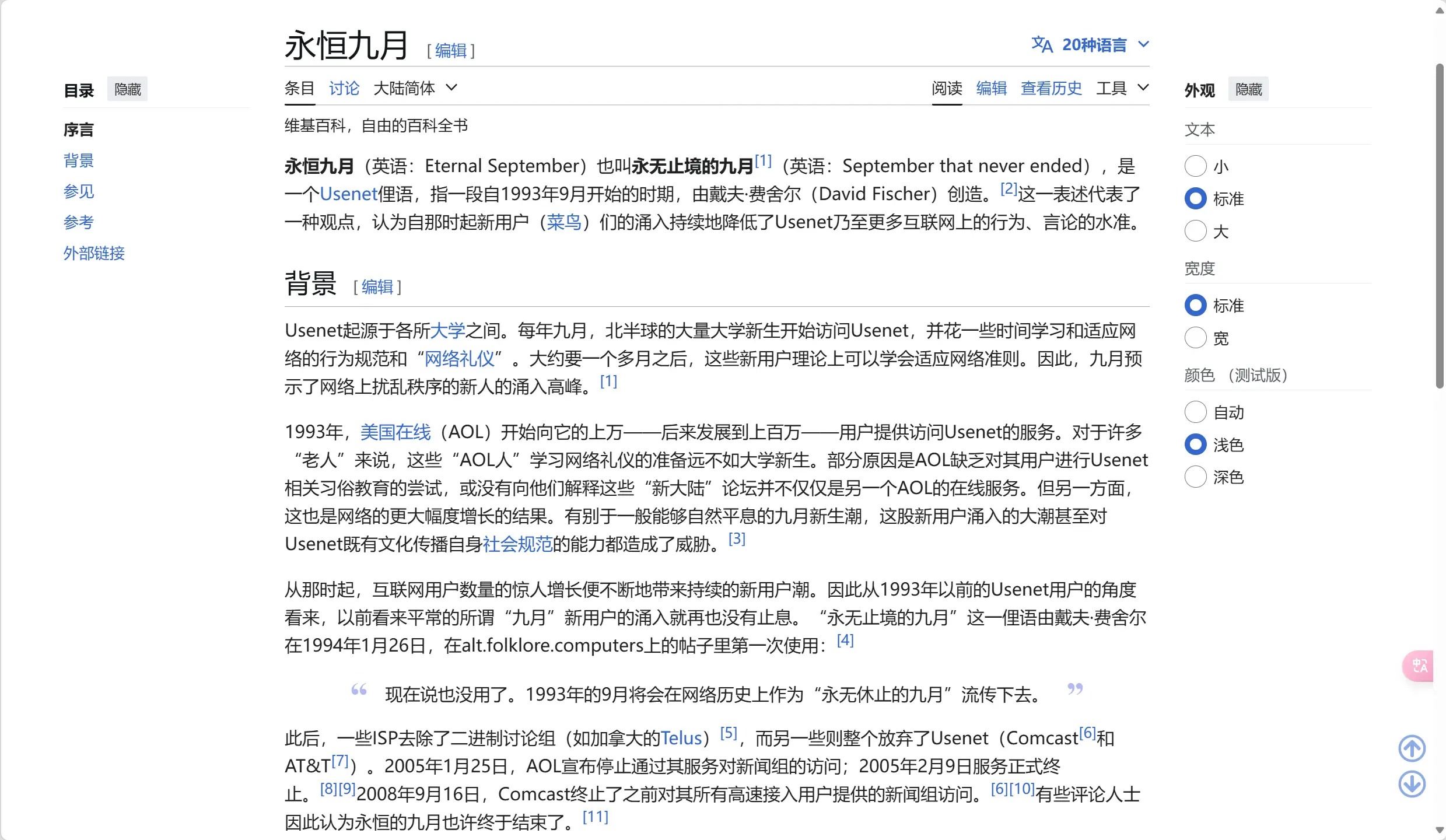
I discovered a new term: Eternal September, which describes a phenomenon that's very common and happening all the time. It reminded me of an old project called How To Ask Questions The Smart Way) that is definitely worth a look.
The Arrogance of Technology
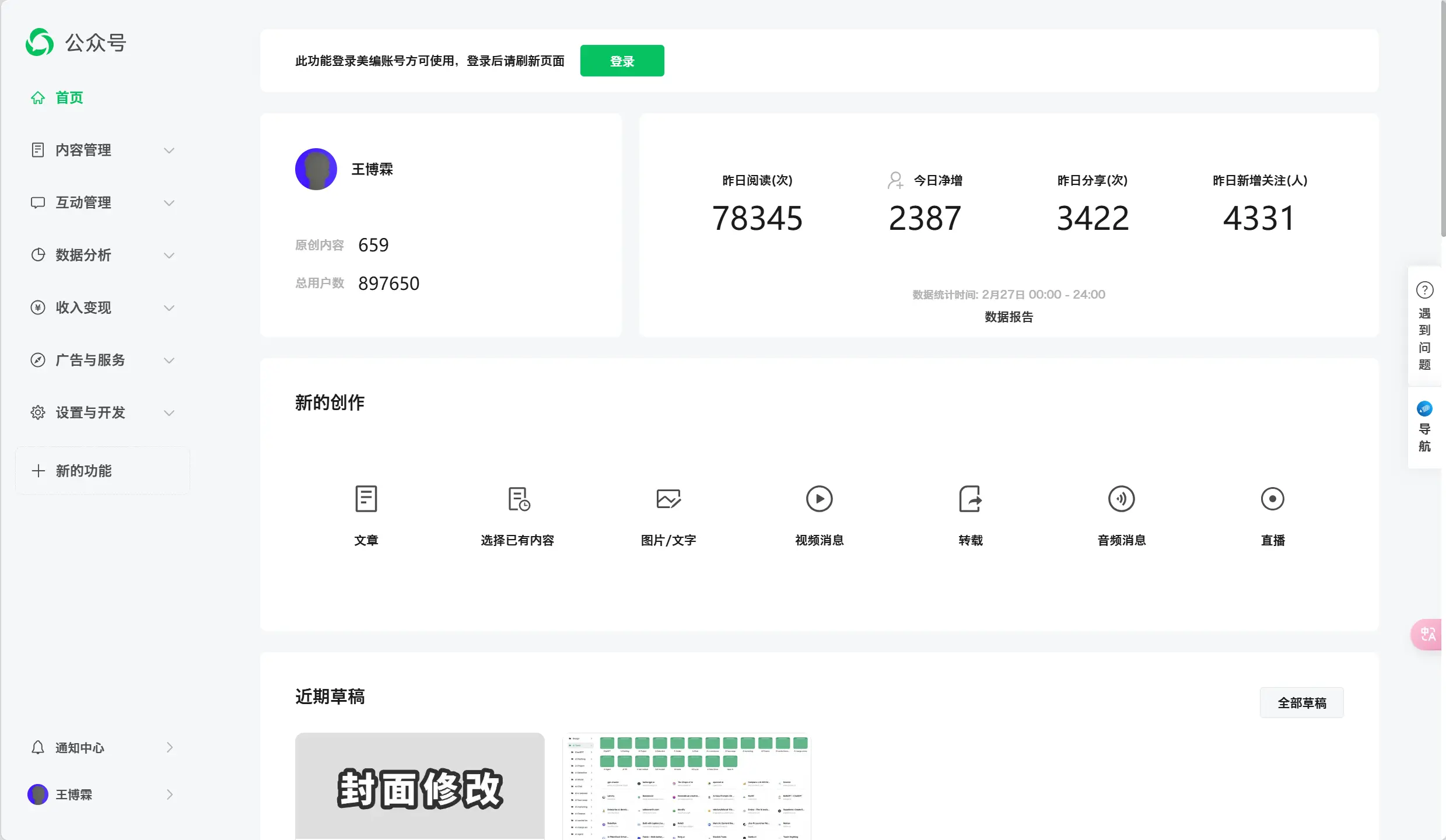
There’s a post circulating widely in programming circles: someone on Xiaohongshu charges to modify front-end pages. They even claim they can alter scores for tests like CET-4, CET-6, or postgraduate entrance exams by tweaking a front-end page and faking a screenshot.
For anyone with a bit of computer knowledge, this is a very basic operation. As a result, most programmers ridicule it, saying they can charge money for such a trivial fix. The irony, however, is that at least the person charging managed to solve someone else's problem, while those doing the mocking are not necessarily any more technically skilled and tend to look down on others.
Let’s call it the arrogance of technology—even though it's likely that there's only arrogance and no real skill.
Markdown Syntax
I recently encountered a strange issue: formulas I edited in Word last semester suddenly turned into images this semester. Nothing changed with the Office version or anything else, so it’s likely a Word bug, though I haven’t found a solution yet. One piece of advice: if you have a lot of formulas, it's best to back everything up in Markdown, since Markdown remains very stable.
I still haven’t figured out exactly how to work with formulas in Word and PPT—they seem to have an odd syntax. Markdown, on the other hand, is much simpler: you just type in LaTeX directly. It’s convenient to use, requires no concerns about formatting, and offers high efficiency. I recommend using Markdown, and then doing the final typesetting when it’s time to submit your work. In the early stages, efficiency is key.
Grok3
This week I tried a new AI tool called Grok3, and my initial experience has been positive. I mainly used it to help explain my code. After uploading three to four thousand lines of code, it managed to remember all the details and provided thorough explanations in our subsequent conversations.
Previously, when using ChatGPT, it could only give a rough idea of what the code was doing, which wasn’t very useful since I already knew that. I needed to understand the detailed physical phenomena and mathematical principles behind the code, and Grok3 provided excellent explanations. On a whim, I signed up for a membership for $30—though I felt a bit of regret, I might try another provider next month if the situation warrants.